


Trending Now
 Govt of India approves Integrated Transport & Logistics Authority to drive Multimodal Planning
 PCMC approves ₹85 Lakh for DPR of Maharashtra’s First e-RTS Pilot Corridor
 Visakhapatnam partners with Moscow to build Technology-Driven Urban Transport System
 Biofuels in Shipping: A Transitional Solution or Long-Term Strategy?
 8 Reasons Why Trains Are Still One of the Best Ways to Travel
 Interview with Champak Panda, MD-Rolling Stock & Components, Alstom India
 Beyond the Tailpipe: The Case for African Electric Mass Transit
 A Rejected Claim Is Not Always the End, What Car Owners Can Do Next?
 Monsoon Bike Insurance Guide: Covers That Matter before the Rains Begin
 How Train Transportation Creates Faster and Smarter Cities
Is Switzerland really banning use of Electric Vehicles in the country? Truth unveiled!
Krishtina D'Silva
Posted on: 2022-12-06 09:10:00
Viewer: 7,878
Comments: 0
Country: Switzerland
City: Bern
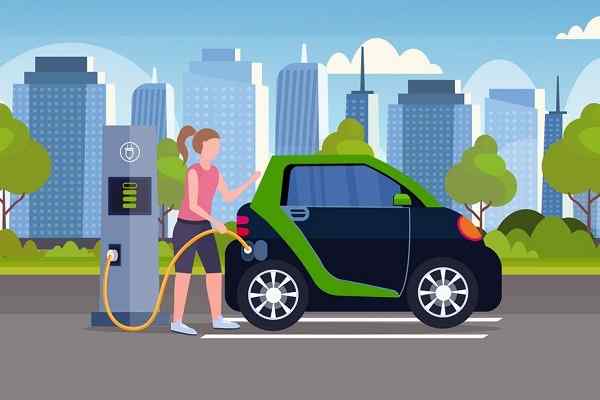
Bern, Switzerland (Urban Transport News): In the last few days, some of global media houses flashing news which, at least in their headlines, somewhat saying that Switzerland is planning to ban use of electric cars in the country. It turns out the truth behind the “news” is not quite that flashed.
The basis of the reports is the ‘Ordinance on Restrictions and Prohibitions on the Use of Electric Energy’ which was drafted by the Swiss Federal Council to prepare for the possibility of an electricity shortage, as are other countries – as an emergency response.
"Switzerland might become the first country in the world to ban EVs in a bid to ensure that it has enough power to last this winter. The beautiful mountain country imports energy from its neighbours, France and Germany. However, this time around, even they are running short on energy generation due to the reduced natural gas supply due to the Russia-Ukraine war. France is having to import energy to fulfil its needs for the first time in decades," reported a media house.
According to their reports, the Swiss Federal Electricity Commission, has said that the power supply for the winter will remain uncertain due to the expected lower availability of French nuclear power generation. The situation with Germany is also the same. Due to lower energy production this year owing to various global issues, these countries will barely be able to fend for themselves. Hence, exporting energy to Switzerland might be out of the question.
However, the draft ordinance regulates “restrictions and prohibitions on the use of electrical energy in order to secure the country’s electricity supply”. It outlines four possible escalation levels within which the use of bans would at best be staggered in the event of a crisis. E-mobility is only mentioned in escalation level 3 as one of many possible measures.
“The private use of electric cars is only permitted for absolutely necessary journeys (e.g. exercising one’s profession, shopping, visiting the doctor, attending religious events, attending court appointments),” the draft says. So if there really be a power shortage in Switzerland, according to the draft, partial driving bans for electric cars could be considered by the government as one of numerous upstream measures.


Krishtina D'Silva
Krishtina D'Silva is working with Urban Transport News as Special Correspondent (International News division). She posses a Master's degree in Journalism from New York University and responsible for covering updates from the urban mobility