

Trending Now
 Govt of India approves Integrated Transport & Logistics Authority to drive Multimodal Planning
 PCMC approves ₹85 Lakh for DPR of Maharashtra’s First e-RTS Pilot Corridor
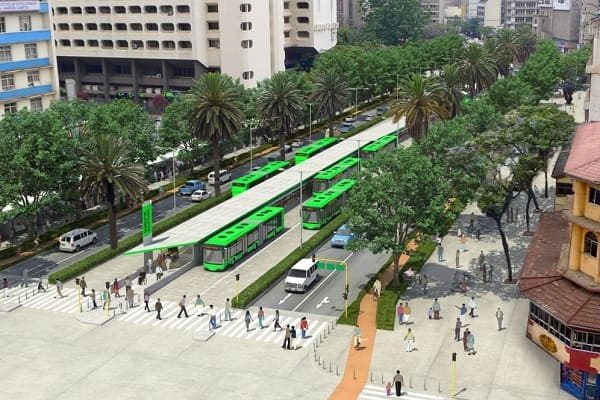 Visakhapatnam partners with Moscow to build Technology-Driven Urban Transport System
 Biofuels in Shipping: A Transitional Solution or Long-Term Strategy?
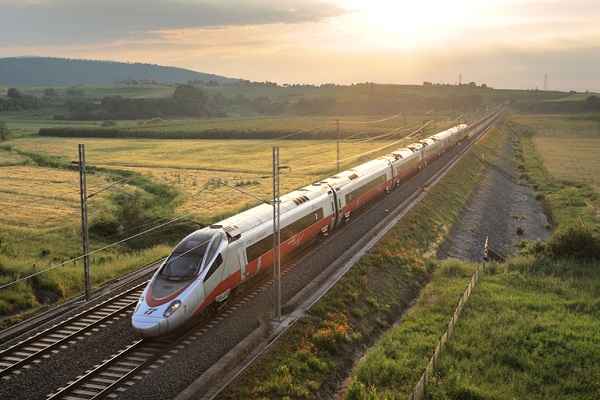 8 Reasons Why Trains Are Still One of the Best Ways to Travel
 Interview with Champak Panda, MD-Rolling Stock & Components, Alstom India
 Beyond the Tailpipe: The Case for African Electric Mass Transit
 A Rejected Claim Is Not Always the End, What Car Owners Can Do Next?
 Monsoon Bike Insurance Guide: Covers That Matter before the Rains Begin
 How Train Transportation Creates Faster and Smarter Cities
Indian Railways dedicated 7 super-critical railway projects worth ₹5,125 crores
Vinod Shah
Posted on: 2022-12-30 11:55:00
Viewer: 5,139
Comments: 0
Country: India
City: New Delhi
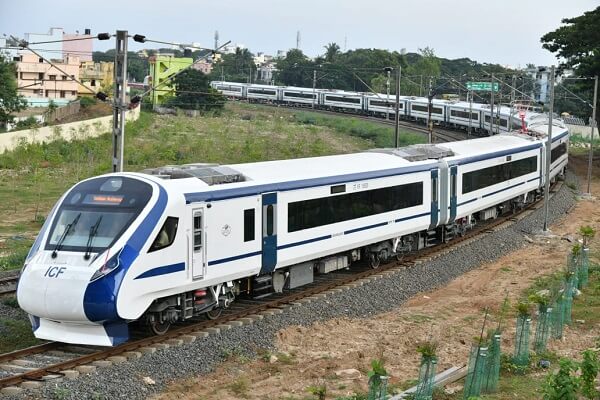
New Delhi, India (Urban Transport News): Indian Railways dedicated 7 super-critical railway projects worth 5125 crores, ensuring the multi-faceted development of West Bengal, leading off with the inaugural run of the 7th Vande Bharat Express.
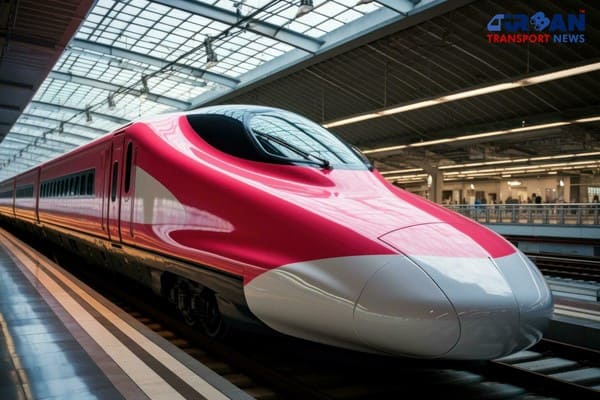
A new era of comfortable & enhanced rail travel experience dedicated to the region through an indigenously developed, semi-high-speed, self-propelled train between Howrah & New Jalpaiguri, which Hon’ble Prime Minister Shri Narendra Modi flagged off on December 30, 2022, virtually.
A major leap for Indian Railways, this ultra-modern train covers a distance of 561 km in 7.5 hours. Vande Bharat Express offers a myriad of superior amenities that will provide passengers with an aircraft-like travel experience & advanced state-of-the-art safety features, including KAVACH technology, truly a symbol of "Atmanirbhar Bharat."
Next in line is the dedication of the much-awaited Joka-Taratala Metro Stretch (6.5 km) of the Joka-Esplanade Metro Project (Purple Line) at the cost of Rs 2,535 crores on one of the busiest thoroughfares in Kolkata. A hassle-free and economical way with fast, easy, pollution-free, comfortable, and snarl-free commutes for thousands.
Several critical projects aimed at improving West Bengal's rail infrastructure include:
- Boinchi-Shaktigarh 3rd Line (25.83 km)
- Dankuni-Chandanpur 4th Line Project (25.41 km)
- Nimtita-New Farakka Double Line (25.42 km)
- Ambari Falakata-New Maynaguri-Gumanihat Doubling Project (88.17 km)
- New Jalpaiguri Station Redevelopment
Yielding many benefits like improvements in mobility and sectional speed; increasing sectional load capacity; increasing operational flexibility; reducing the journey time of trains; and propelling the region's socio-economic development.


Vinod Shah
Vinod Shah is a Transport Journalist, Urban Planner and Communication Expert. He possesses over 15 years of experience in Editorial, Media and Corporate Communication in the Urban Transport sector.