

Trending Now
 PCMC approves ₹85 Lakh for DPR of Maharashtra’s First e-RTS Pilot Corridor
 Visakhapatnam partners with Moscow to build Technology-Driven Urban Transport System
 Biofuels in Shipping: A Transitional Solution or Long-Term Strategy?
 8 Reasons Why Trains Are Still One of the Best Ways to Travel
 Interview with Champak Panda, MD-Rolling Stock & Components, Alstom India
 Beyond the Tailpipe: The Case for African Electric Mass Transit
 A Rejected Claim Is Not Always the End, What Car Owners Can Do Next?
 Monsoon Bike Insurance Guide: Covers That Matter before the Rains Begin
 How Train Transportation Creates Faster and Smarter Cities
 PM Modi inaugurates Noida International Airport, Boosting North India’s Multi-Modal connectivity
Barriers Transport Operators Face in Evolving to MaaS-Ready Systems
Paulo dos Santos
Posted on: 2024-10-25 07:00:00
Viewer: 4,221
Comments: 0
Country: India
City: New Delhi
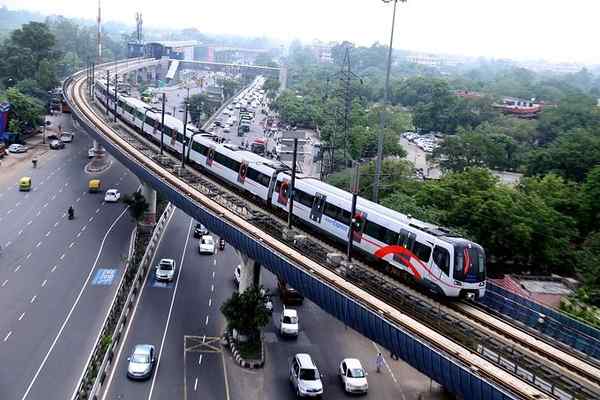
The concept of Mobility as a Service (MaaS) represents a revolutionary approach aimed at integrating various forms of transport services into a single accessible and efficient on-demand service. However, the transition to MaaS-readiness poses significant challenges for transport operators, particularly due to the constraints imposed by their legacy systems, including outdated hardware and physical infrastructure, and fragmented operations or systems that are not integrated and therefore do not work together.
Invisible Costs
Transport operators often rely on legacy systems that have been in place for decades. These systems, while once cutting-edge, now lag behind modern technological advancements. One of the key issues is the high cost associated with maintaining and operating these outdated systems. Most legacy systems are so inefficient that operators have given up trying to know how much they cost because it's so difficult for them to operate. This lack of cost transparency results in operators being unaware of the financial burden imposed by these systems, and is also a major barrier to transitioning to a MaaS-ready system.
Operators frequently neglect to measure and track the expenses involved in maintaining outdated hardware and software, leading to an inability to make informed decisions about upgrades or replacements. Without this crucial data, operators are unable to identify and prioritize the necessary investments to transition to MaaS-ready systems.
Physical Infrastructure Limitations
Beyond software and operational costs, the physical infrastructure itself can be a significant hurdle. Many transport operators' systems are built on antiquated hardware that is not compatible with modern technology. This hardware includes everything from ticketing machines to communication networks, which require substantial investment to upgrade or replace. The complexity and cost of overhauling such infrastructure can be daunting, leading operators to continue using suboptimal systems rather than investing in more efficient, integrated solutions.
The Role of Credibility and Expertise
The journey to MaaS-readiness is not one that transport operators can undertake alone. Collaboration with major payment partners (Mastercard, Visa and others) can provide the necessary expertise and credibility to drive this transformation. However, it's imperative that these partners understand the specific needs and challenges faced by transport operators. The expertise in mobility and the ability to communicate this effectively is crucial. For instance, successful pitches to companies demonstrate the importance of conveying the potential benefits and practical steps towards MaaS-readiness.
Urgency and Opportunity
The pressure to evolve quickly cannot be overstated. As the transport industry faces increasing demands for efficiency and sustainability, the need to transition to MaaS-readiness becomes ever more pressing. The opportunity to address these challenges is substantial, with events and initiatives providing platforms for discussion and collaboration. We need to go fast and put the throttle down and move as fast as possible because the limitations in mobility are becoming a social constraint.
Transport operators are at a pivotal moment where the need to evolve to MaaS-readiness is clear, but the path forward is obstructed by legacy systems. Addressing the invisible costs, updating physical infrastructure, and leveraging credible partnerships are essential steps in this journey. The potential benefits of MaaS are immense, offering a future of integrated, efficient, and user-friendly transport services. To seize this opportunity, operators must embrace the necessary changes and invest in the transformation required to overcome the barriers posed by their legacy systems. Software can serve as a foundation to scalability and accessibility.


Paulo dos Santos
Paulo Ferreira dos Santos is the CEO of UbiRider, the innovator behind the UbiRider Platform, the only solution that seamlessly integrates transportation management, payment processing, and data analytics into a single system.