


Trending Now
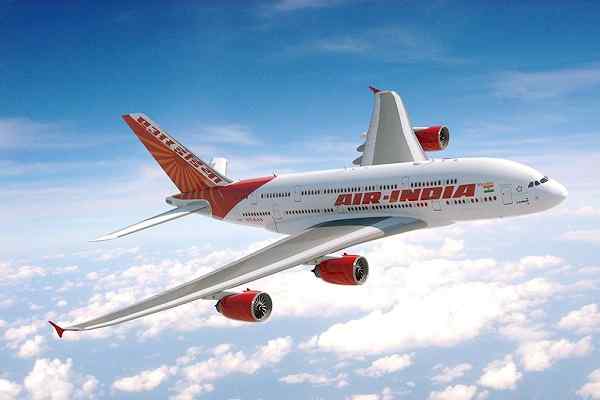 PM Modi inaugurates Noida International Airport, Boosting North India’s Multi-Modal connectivity
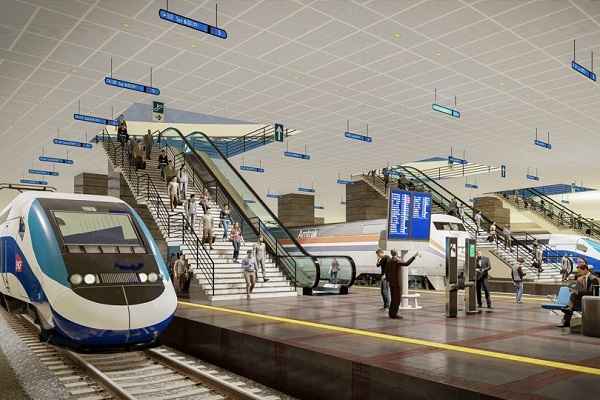 Things You Can Do While on Long Train Rides: Stay Productive, Relaxed, and Entertained
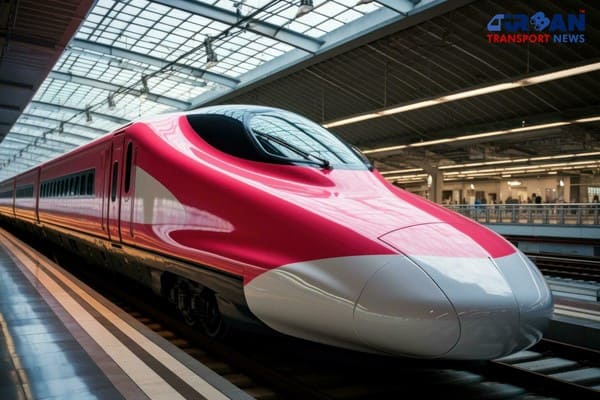 Rail Chamber launches 2026–27 National Membership Drive to strengthen Asia’s Railway Ecosystem
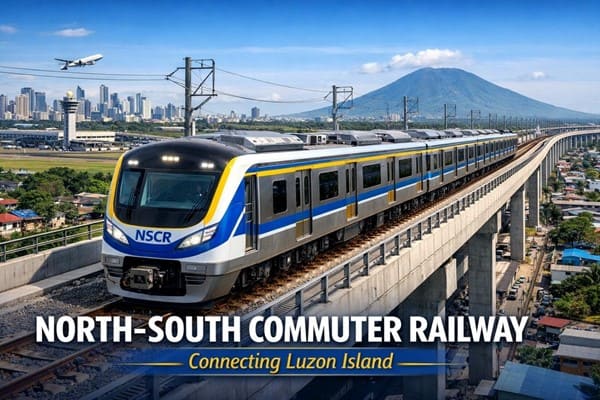 North-South Commuter Railway (NSCR): Modern Train Network Connecting Luzon Island
 India launched Bharat Taxi Service as First Cooperative-Owned Digital Mobility Platform
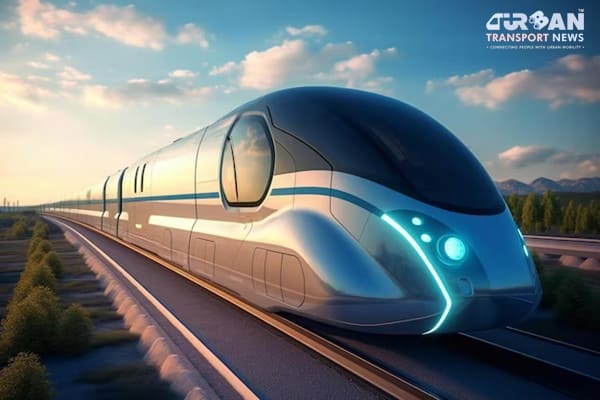 India places World’s First Live Commercial Order for Hyperloop-Based Cargo Logistics
 How Weigh-in-Motion Systems Are Revolutionizing Freight Safety
 Women Powering India’s Electric Mobility Revolution
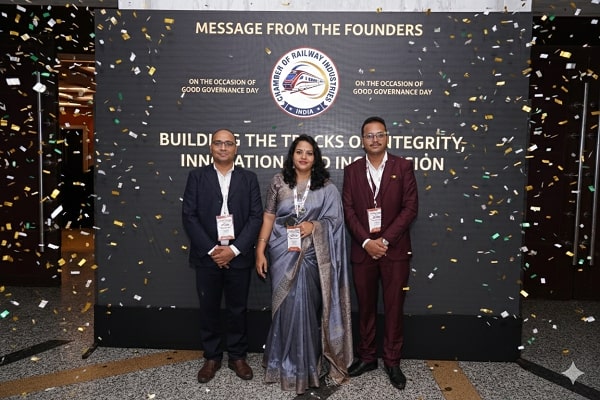 Rail Chamber Launched to Strengthen India’s Global Railway Leadership
 Wage and Hour Enforcement Under the Massachusetts Wage Act and Connecticut Labor Standards
Stadler signs contract worth £700 million to supply 42 metro trains to UK
Krishtina D'Silva
Posted on: 2020-02-24 09:05:07
Viewer: 895
Comments: 0
Country:
City:
 After no objections received from the competitors on the decision of Nexus to award the contract, the contract agreement was signed between Nexus and Stadler on 11th February 2020.
The Tyne and Wear Metro serves Newcastle upon Tyne, Gateshead, South Tyneside, North Tyneside and Sunderland in Tyne and Wear in the north-east of England. Commercial operations are scheduled to begin in 2023. In 2024 the new METRO trains will completely replace the existing fleet.
The contract for the supply of the vehicles, the construction of a new depot and the maintenance of the trains for 35 years is worth around 700 million pounds sterling. Stadler will also work with local suppliers from the North East of England to produce the new trains.
Ansgar Brockmeyer, sales director at Stadler, said:
After no objections received from the competitors on the decision of Nexus to award the contract, the contract agreement was signed between Nexus and Stadler on 11th February 2020.
The Tyne and Wear Metro serves Newcastle upon Tyne, Gateshead, South Tyneside, North Tyneside and Sunderland in Tyne and Wear in the north-east of England. Commercial operations are scheduled to begin in 2023. In 2024 the new METRO trains will completely replace the existing fleet.
The contract for the supply of the vehicles, the construction of a new depot and the maintenance of the trains for 35 years is worth around 700 million pounds sterling. Stadler will also work with local suppliers from the North East of England to produce the new trains.
Ansgar Brockmeyer, sales director at Stadler, said:
The contract with Nexus represents an important milestone for Stadler in Great Britain. After Glasgow and Liverpool, this is the third metro operator to opt for a Stadler vehicle. We look forward to working with Nexus and our suppliers in the North East of England.Director General of Nexus, Tobyn Hughes, said:
We have secured one of the best train builders in the world to make the new Metro fleet. It’s a historic moment in the proud 40-year history of the Tyne and Wear Metro service. I am delighted that has now been made official with the signing of the contract with Stadler. The hard work now starts in making our new train fleet become a reality. It heralds a very exciting future for Metro, its passengers, and its workforce. We asked for the best trains to transform the passenger experience and delivering huge energy savings. Stadler has delivered on all fronts, and we look forward to working with them and the extensive UK supply chain which will support them over the coming years.
Comprehensive maintenance services
Stadler has also been awarded the contract for the comprehensive maintenance of the Tyne and Wear Metro fleet for 35 years. This will be for the new trains, and from towards the end of this year, Stadler Service will also be responsible for the maintenance of the existing fleet, comprising 89 vehicles.
This work will initially be carried out at Nexus' existing depot in Gosforth. The old depot, which dates back to the era of steam locomotives, will be replaced by a brand new facility. The new depot will be designed by Stadler and built with locally recruited partners. To ensure maximum availability, the contract includes among other things preventive and corrective maintenance as well as daily cleaning. These activities will be carried out by Nexus' experienced service personnel, who will transfer to Stadler as part of the contract.
Jürg Gygax, head of Stadler's Service division, added:
This order for Stadler Service clearly shows how Stadler implements a complete service package – this marks a massive step into the future. We are very much looking forward to embarking on a long, productive partnership with Nexus, which will span 35 years.
More about the trains
The 60-metre long trains that Stadler is providing for the standard gauge network in Tyne and Wear each consist of five carriages. Power is supplied via an overhead line with 1500 V DC. The maximum speed is 80 kilometres per hour. Eight large double doors allow passengers to get on and off quickly.
The trains can accommodate up to 600 passengers. The lightweight vehicle design, the recovery of braking energy and the use of highly efficient traction converter technology will all lower energy consumption. The trains will be built to accommodate an energy storage system so that in the future they will be able to operate on an extended network. The interior of the vehicles will be bright and open. There will be special multi-functional areas for wheelchairs, prams, luggage and bicycles.
Trains will feel more secure, featuring video surveillance, protection systems for door operation and clear warning displays. Good thermal and acoustic insulation will regulate onboard temperatures for the comfort of passengers, and newly developed air-sprung bogies will reduce noise levels.
Local engagement
Stadler has undertaken extensive research into possible local companies to supply parts for these vehicles. Although the trains will not be manufactured in UK, it is committed to involving as many companies from the Tyne and Wear region in the project as possible.
The Service contract, which is for 35 years, represents a long term investment in the area, and it is essential that local companies play a key role within it. Stadler has also established links with a number of educational establishments in the region. It has asked them to help with training and supplying apprentices and graduates, with a view to developing training programs with them.
Such initiatives could encourage students to stay in the region, boosting the local economy.
Other METRO orders in the UK
In March 2016, Stadler, in a consortium with AnsaldoSTS (now Hitachi), won the first METRO order in the UK. 17 underground trains for Glasgow Subway, operated by Strathclyde Partnership for Transport. In February 2017, Stadler was awarded a major contract from Merseytravel to build 52 METRO trains for the Liverpool City Region. Stadler will be responsible for its maintenance for 35 years. These three METRO contracts see Stadler supplying all underground systems outside London with modern, energy-efficient and highly available vehicles.

Krishtina D'Silva
Krishtina D'Silva is working with Urban Transport News as Special Correspondent (International News division). She posses a Master's degree in Journalism from New York University and responsible for covering updates from the urban mobility