

Trending Now
 Govt of India approves Integrated Transport & Logistics Authority to drive Multimodal Planning
 PCMC approves ₹85 Lakh for DPR of Maharashtra’s First e-RTS Pilot Corridor
 Visakhapatnam partners with Moscow to build Technology-Driven Urban Transport System
 Biofuels in Shipping: A Transitional Solution or Long-Term Strategy?
 8 Reasons Why Trains Are Still One of the Best Ways to Travel
 Interview with Champak Panda, MD-Rolling Stock & Components, Alstom India
 Beyond the Tailpipe: The Case for African Electric Mass Transit
 A Rejected Claim Is Not Always the End, What Car Owners Can Do Next?
 Monsoon Bike Insurance Guide: Covers That Matter before the Rains Begin
 How Train Transportation Creates Faster and Smarter Cities
NSW awards $1.63 billion last tunneling contract for Sydney Metro West Project
Maria Rose
Posted on: 2022-11-28 08:10:00
Viewer: 4,194
Comments: 0
Country: Australia
City:
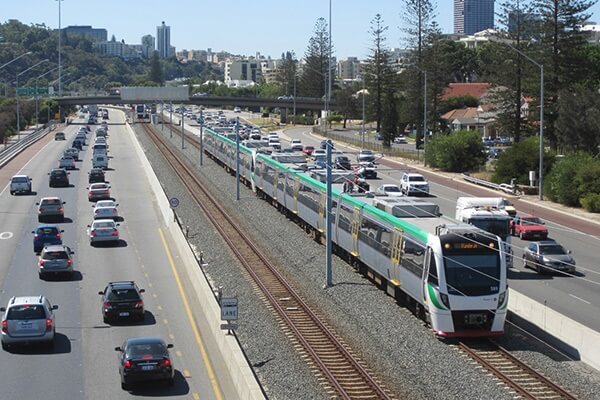
Sydney, Australia (Urban Transport News): The NSW Government has awarded a contract worth $1.63 billion to a consortium comprising of John Holland, CPB Contractors (CPB) and Ghella to deliver 3.5 kilometres of metro rail tunnels between The Bays and Hunter Street in the Sydney CBD.
This is the third and final major tunnelling package awarded on this project, and is the last piece in the tunnelling puzzle to build the 24-kilometre metro rail tunnels from Westmead to the Sydney CBD.
The scope of work under the Eastern Tunnelling contract includes:
- construction of 3.5 kilometre tunnels from The Bays to the Sydney CBD;
- launching of a tunnel boring machine (TBM) at The Bays site and two TBMs towards Hunter Street;
- A turnback cavern to the east of the new Hunter Street Station, allowing trains to turn around before travelling back towards Parramatta;
- Excavation and civil works for two new cavern stations at Pyrmont and Hunter Street in Sydney CBD;
- providing more than 8,000 segments to line the tunnels.
The tunnelling work on this final section of the line will start next year, with 2023 gearing up to the be the year of tunnelling for Sydney Metro West. Work is already underway to prepare for construction of the twin tunnels between The Bays and Sydney Olympic Park, and between Sydney Olympic Park and Westmead. Tunnel boring machines are expected to start work in early 2023.
Sydney Metro West is a new 24-kilometre metro line with stations confirmed at Westmead, Parramatta, Sydney Olympic Park, North Strathfield, Burwood North, Five Dock, The Bays, Pyrmont and Hunter Street in the Sydney CBD.
According to NSW officials, the Sydney Metro West project will create more than 10,000 direct new jobs and 70,000 indirect jobs. To build these tunnels a broad range of skills will be required including tunnellers, electricians, plumbers, carpenters, concrete workers, truck drivers, labourers and security guards.


Maria Rose
Maria Rose is an Independent Technology Journalist in London, United Kingdom. She is currently working with Urban Transport News as Special Correspondent in International News Division.