

Trending Now
 PCMC approves ₹85 Lakh for DPR of Maharashtra’s First e-RTS Pilot Corridor
 Visakhapatnam partners with Moscow to build Technology-Driven Urban Transport System
 Biofuels in Shipping: A Transitional Solution or Long-Term Strategy?
 8 Reasons Why Trains Are Still One of the Best Ways to Travel
 Interview with Champak Panda, MD-Rolling Stock & Components, Alstom India
 Beyond the Tailpipe: The Case for African Electric Mass Transit
 A Rejected Claim Is Not Always the End, What Car Owners Can Do Next?
 Monsoon Bike Insurance Guide: Covers That Matter before the Rains Begin
 How Train Transportation Creates Faster and Smarter Cities
 PM Modi inaugurates Noida International Airport, Boosting North India’s Multi-Modal connectivity
NCRTC looking for mobility players to provide connectivity services at RRTS stations
Anushka Khare
Posted on: 2022-05-21 07:05:00
Viewer: 4,378
Comments: 0
Country: India
City: New Delhi
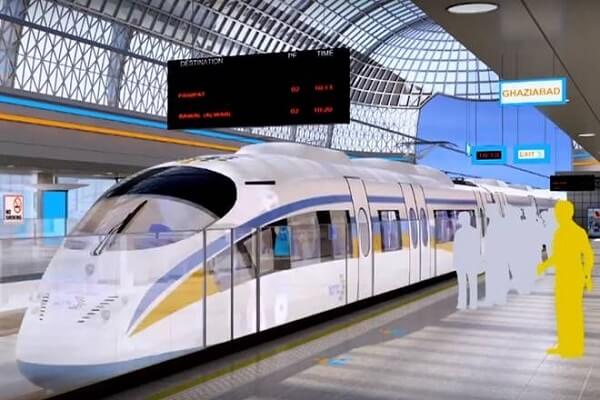
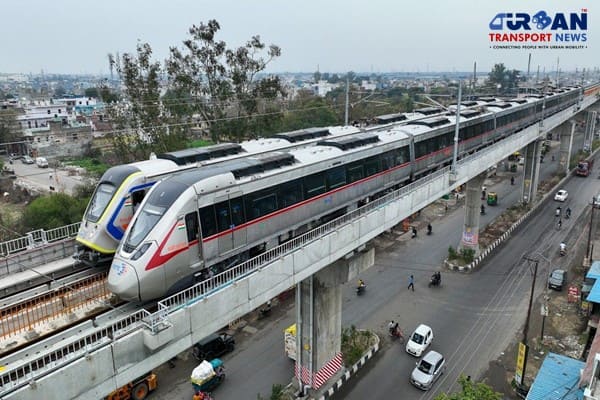
New Delhi, India (Urban Transport News): With the aim to provide better first and last-mile connectivity at the upcoming stations of the Delhi-Ghaziabad-Meerut Rapid Rail Transit System (RRTS) corridor, the National Capital Regional Transport Corporation (NCRTC) has called various leading mobility players across the region to join the corporation to provide various feeder modes at RRTS stations.
The main aim of NCRTC behind this initiative is to ensure fast, organised, green, affordable variety of commute options and door-to-door connectivity, and to push the public to switch from private to public vehicles. NCRTC is also analyzing and studying the global parameters of the distance of last-mile connectivity travelled by commuters and the modes of transport used by them.
“For instance, the distance up to 500 m is often walkable and the distance up to 1 km falls in the cycling zone. While, where the distance is 3 km, commuters look for electric rickshaws, shared auto-rickshaw, bike taxis or scooter rentals and car, (they look for) cabs, auto-rickshaw and shuttle services for more than 3 km. NCRTC, after deliberation over the same, has extended an invite to the mass providers of these various modes of transportation,” said an NCRTC official.
“Due to lack of last-mile connectivity, people often avoid travelling in public transport. Also, the congestion around the stations due to the lack of any organised system for autos and e-rickshaws not only creates chaos and traffic jams but also leads to an increase in commute time. Keeping all this in view, the NCRTC came up with the plan to facilitate first/last-mile connectivity for the commuters through various feeder modes at stations,” the official added.
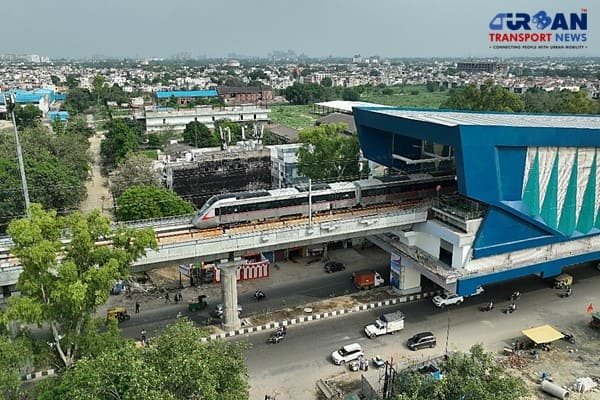
According to the plan, all RRTS stations will be multimodal integrated with public transport like Metro, local bus stands and ISBTs. Besides, it will also have space for car parking, auto-rickshaws and rental cars or taxis wherever possible with segregated pick-up and drop areas and parking.


Anushka Khare
Anushka Khare is a Post Graduate in Journalism from Makhanlal Chaturvedi National University of Journalism and Communication, Bhopal (MP). She covers stories and updates from India.