

Trending Now
 Govt of India approves Integrated Transport & Logistics Authority to drive Multimodal Planning
 PCMC approves ₹85 Lakh for DPR of Maharashtra’s First e-RTS Pilot Corridor
 Visakhapatnam partners with Moscow to build Technology-Driven Urban Transport System
 Biofuels in Shipping: A Transitional Solution or Long-Term Strategy?
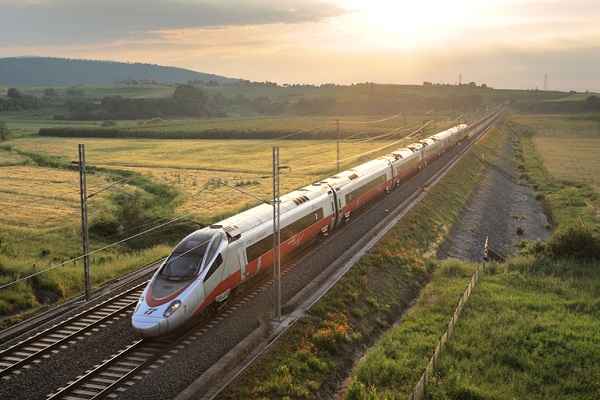 8 Reasons Why Trains Are Still One of the Best Ways to Travel
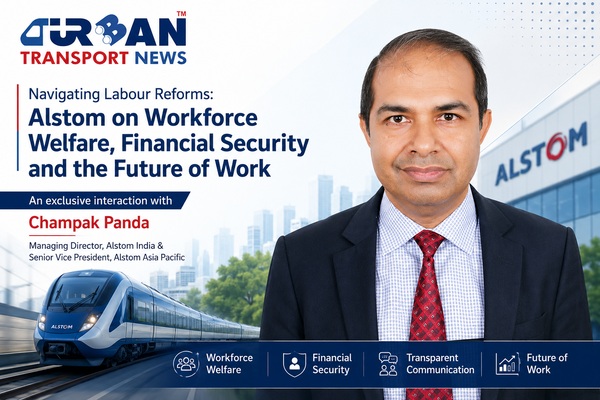 Interview with Champak Panda, MD-Rolling Stock & Components, Alstom India
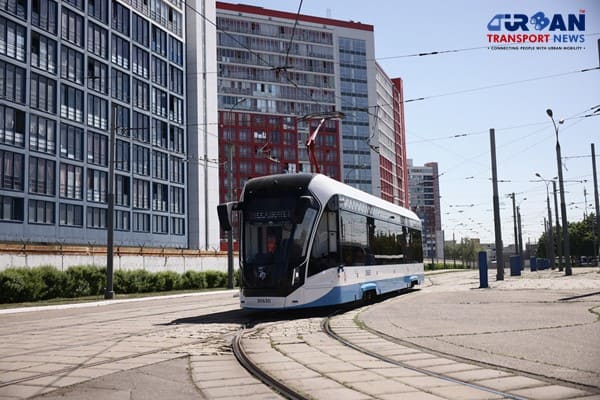 Beyond the Tailpipe: The Case for African Electric Mass Transit
 A Rejected Claim Is Not Always the End, What Car Owners Can Do Next?
 Monsoon Bike Insurance Guide: Covers That Matter before the Rains Begin
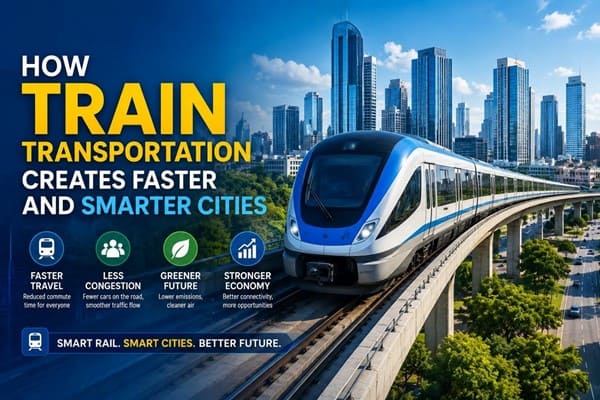 How Train Transportation Creates Faster and Smarter Cities
Jaipur Metro proposes to run Metro Neo system on BRTS corridor
Anushka Khare
Posted on: 2021-03-01 08:36:00
Viewer: 5,479
Comments: 0
Country: India
City: Jaipur
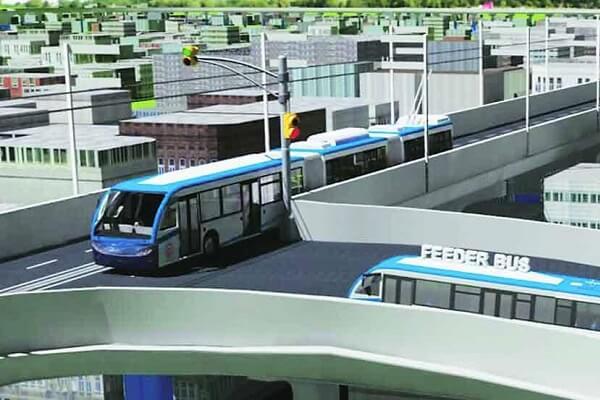
Jaipur, India (Urban Transport News): The Jaipur Metro Rail Corporation Limited (JMRCL) is now planning to run an eco-friendly, rubber-tyred light rail transit system on the scrapped Bus Rapid Transit System (BRTS) Corridor in Jaipur city. In this regard, JMRC has sent a proposal to Rajasthan State Government for review and consideration of the Metro Neo project on BRTS.
JMRC officials are thinking that this new model of the public transport system can provide a safe, eco-friendly, comfortable, and reliable transportation alternative to the city, without disturbing the existing infrastructure.
The low-cost alternative to conventional metro rail has become the new buzzword for cities across India, including Delhi and Mumbai. After a recent traffic survey in the city, there is a finding that Metro Neo service could easily replace buses in the 7.3-meter wide existing BRTS corridor.
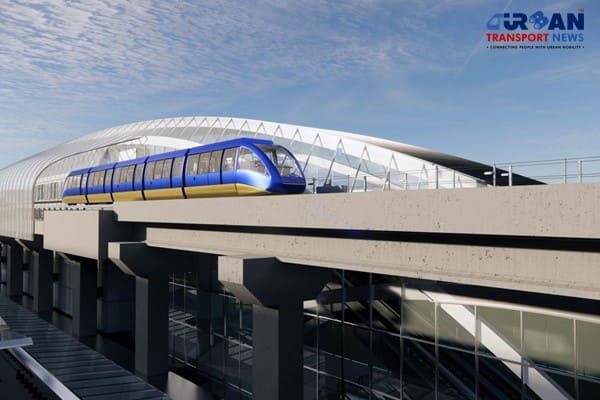
According to Maha-Metro, which has introduced this concept first-time for Nashik city, the Metro Neo system is like an electric trolleybus that costs Rs 71 crore per km. Metro Neo corridor is a rail-guided urban transport system with rubber-tyred electric coaches powered by an overhead traction system running on elevated or at-grade sections. Its coaches are made of stainless steel or aluminium and are slightly lighter and smaller than conventional metro rakes.
“The capacity of two lanes is 1,200 PCUs (passenger car units). When the number of cars exceed the road capacity (volume to capacity more than 1), a high-capacity transport system is required, including BRTS, Metro etc. The state government can consider the proposal or make bus service effective after establishing a proper monitoring system,” said a senior official of Jaipur Development Authority (JDA), on condition of anonymity, TOI reported.
Many town planners are thinking that the Metro Neo project could prove feasible if it’s run on the entire BRTS network. Jaipur Development Authority (JDA) has constructed 7 km on the north-south corridor (Sikar Road) against the sanctioned 26 km so far. Similarly, only 8 km has been constructed on the east-west corridor, against the sanctioned 13 km. The Metro Neo project could easily provide swift passage between Khatipura Mod and the Jaipur Airport. It could also turn into an easy mode of commute between Sikar Road and Jaipur Railway Station.
Talking about the speed and feasibility of the project, JMRC officials said that the estimated speed of Metro Neo will be approx. 30 kmph as it has to stop at junctions. It could carry over 1.80 lakh commuters initially, which are buses passengers. Moreover, the state could take assistance from the Central Government in funding the project.


Anushka Khare
Anushka Khare is a Post Graduate in Journalism from Makhanlal Chaturvedi National University of Journalism and Communication, Bhopal (MP). She covers stories and updates from India.