


Trending Now
 Govt of India approves Integrated Transport & Logistics Authority to drive Multimodal Planning
 PCMC approves ₹85 Lakh for DPR of Maharashtra’s First e-RTS Pilot Corridor
 Visakhapatnam partners with Moscow to build Technology-Driven Urban Transport System
 Biofuels in Shipping: A Transitional Solution or Long-Term Strategy?
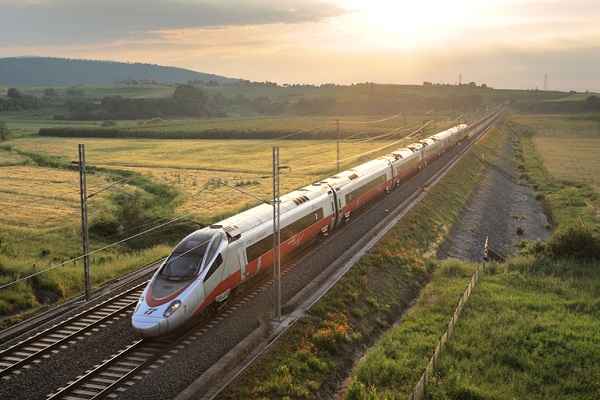 8 Reasons Why Trains Are Still One of the Best Ways to Travel
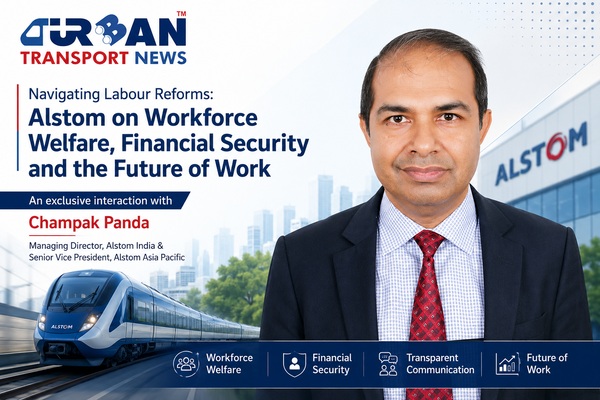 Interview with Champak Panda, MD-Rolling Stock & Components, Alstom India
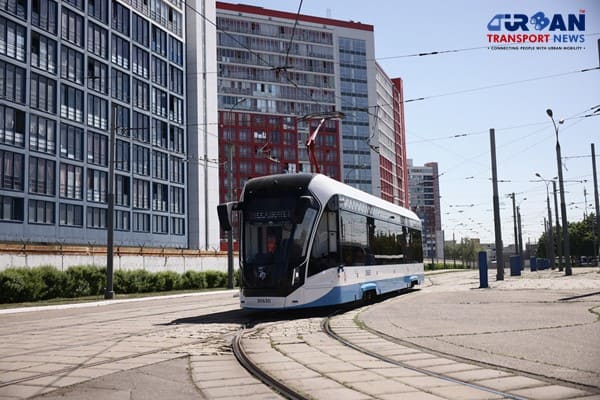 Beyond the Tailpipe: The Case for African Electric Mass Transit
 A Rejected Claim Is Not Always the End, What Car Owners Can Do Next?
 Monsoon Bike Insurance Guide: Covers That Matter before the Rains Begin
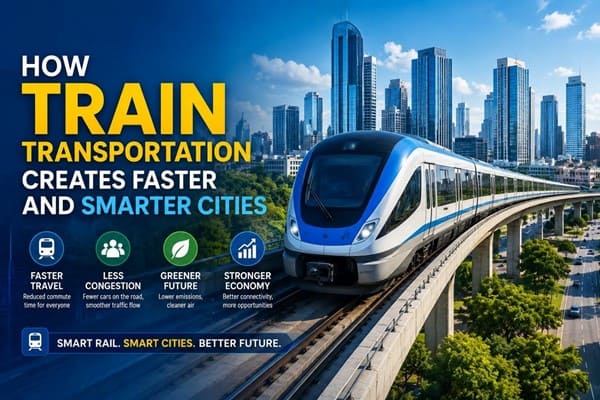 How Train Transportation Creates Faster and Smarter Cities
India can save Logistics Fuel worth Rs 311 Lakh Crore by 2050: Report
Anushka Khare
Posted on: 2021-06-09 15:16:00
Viewer: 15,134
Comments: 0
Country: India
City: New Delhi
New Delhi, India (Urban Transport News): Indian Think Tank NITI Aayog, Rocky Mountain Institute (RMI) and RMI India’s new report, "Fast Tracking Freight in India: A Roadmap for Clean and Cost-Effective Goods Transport", presents key opportunities for India to reduce its logistics costs.
Due to the rising demand for goods and services, freight transport demand is expected to grow rapidly in the future. While freight transport is essential to economic development, it is plagued by high logistics costs and contributes to rising CO2emissionsand air pollution in cities.
According to the report, India has the potential to reduce its logistics cost by 4% of GDP; achieve 10 gigatonnes of cumulative CO2 emissions savings between 2020 and 2050, and reduce nitrogen oxide (NOx) and particulate matter (PM) emissions by 35% and 28%, respectively, until 2050.
“Freight transportation is a critical backbone of India’s growing economy, and now more than ever, it’s important to make this transport system more cost-effective, efficient, and cleaner. Efficient freight transport will also play an essential role in realising the benefits of existing government initiatives such as Make in India, Aatmanirbhar Bharat, and Digital India,” said Sudhendu J. Sinha, Advisor (Transport and Electric Mobility), NITI Aayog.
As India’s freight activity grows five-fold by 2050 and about 400 million citizens move to cities, a whole system transformation can help uplift the freight sector.
“This transformation will be defined by tapping into opportunities such as efficient rail-based transport, the optimisation of logistics and supply chains, and shift to electric and other clean-fuel vehicles. These solutions can help India save ₹311 lakh crore cumulatively over the next three decades,” said Clay Stranger, Managing Director, RMI.
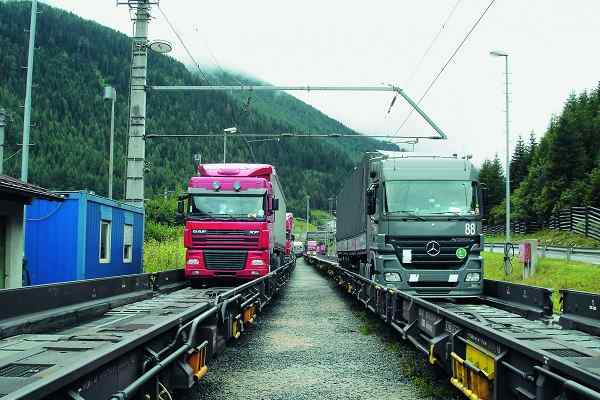
The report outlines solutions for the freight sector related to policy, technology, market, business models and infrastructure development. The recommendations include increasing the rail network’s capacity, promoting intermodal transport, improving warehousing and trucking practices, policy measures and pilot projects for clean technology adoption, and stricter fuel economy standards.
When successfully deployed at scale, the proposed solutions can help India establish itself as a leader in logistics innovation and efficiency in the Asia–Pacific region and beyond.


Anushka Khare
Anushka Khare is a Post Graduate in Journalism from Makhanlal Chaturvedi National University of Journalism and Communication, Bhopal (MP). She covers stories and updates from India.