

Trending Now
 Govt of India approves Integrated Transport & Logistics Authority to drive Multimodal Planning
 PCMC approves ₹85 Lakh for DPR of Maharashtra’s First e-RTS Pilot Corridor
 Visakhapatnam partners with Moscow to build Technology-Driven Urban Transport System
 Biofuels in Shipping: A Transitional Solution or Long-Term Strategy?
 8 Reasons Why Trains Are Still One of the Best Ways to Travel
 Interview with Champak Panda, MD-Rolling Stock & Components, Alstom India
 Beyond the Tailpipe: The Case for African Electric Mass Transit
 A Rejected Claim Is Not Always the End, What Car Owners Can Do Next?
 Monsoon Bike Insurance Guide: Covers That Matter before the Rains Begin
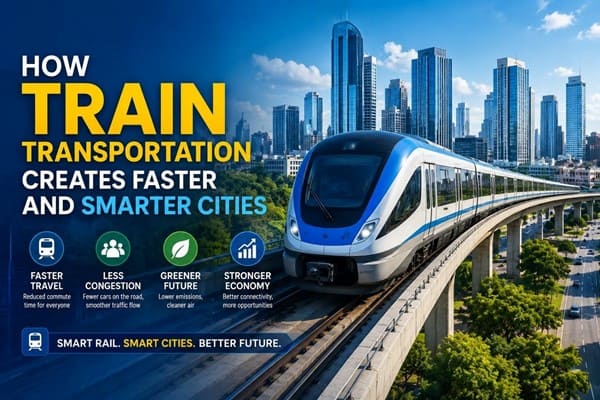 How Train Transportation Creates Faster and Smarter Cities
DDA focuses on Smart Public Transportation System in Delhi Master Plan 2041
Vinod Shah
Posted on: 2021-06-12 10:55:00
Viewer: 4,257
Comments: 0
Country: India
City: New Delhi
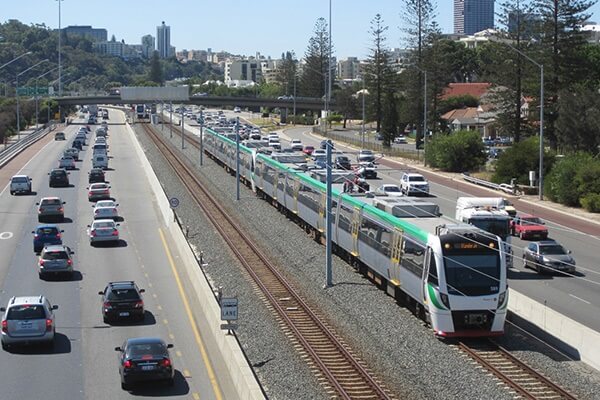
New Delhi, India (Urban Transport News): The Master Plan 2041 of Delhi envisages a transport system equipped with state-of-the-art technology to encourage the use of public transport. This ranges from strategic corridors to redevelop the historic ring rail network to strengthen high-speed connectivity. An official from Delhi Development Authority (DDA) on Wednesday said that the draft of the master plan is available on the DDA's official website for suggestions and objections from the general public.
Traffic plan
The draft master plan states that Delhi's public transport system needs to be further integrated at the institutional level and systemically so that people can have a hassle-free travel experience. It envisages a transport system equipped with state-of-the-art technology to encourage the use of public transport, ranging from strategic corridors to the redevelopment of the historic Ring Rail network to strengthen high-speed connectivity. It addresses parking problems and suggests a user pays principle, which means users of all personal motor vehicles, except for non-motorised ones, have to pay for authorised parking facilities, spaces and streets.
Emphasis will be on reducing crowd
The draft states that a comprehensive mobility plan (CMP) will be prepared to integrate urban transport at all levels. The draft master plan for the next 20 years has focused on improving high-speed connectivity to regional destinations and reducing traffic congestion in the city. It said that the strategic link routes will be developed as "Transit Priority Corridors".


Vinod Shah
Vinod Shah is a Transport Journalist, Urban Planner and Communication Expert. He possesses over 15 years of experience in Editorial, Media and Corporate Communication in the Urban Transport sector.