

Trending Now
 PM Modi inaugurates Noida International Airport, Boosting North India’s Multi-Modal connectivity
 Things You Can Do While on Long Train Rides: Stay Productive, Relaxed, and Entertained
 Rail Chamber launches 2026–27 National Membership Drive to strengthen Asia’s Railway Ecosystem
 North-South Commuter Railway (NSCR): Modern Train Network Connecting Luzon Island
 India launched Bharat Taxi Service as First Cooperative-Owned Digital Mobility Platform
 India places World’s First Live Commercial Order for Hyperloop-Based Cargo Logistics
 How Weigh-in-Motion Systems Are Revolutionizing Freight Safety
 Women Powering India’s Electric Mobility Revolution
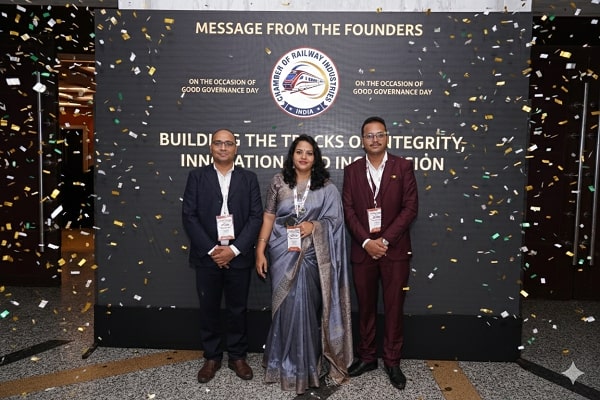 Rail Chamber Launched to Strengthen India’s Global Railway Leadership
 Wage and Hour Enforcement Under the Massachusetts Wage Act and Connecticut Labor Standards
BMRCL Chief proposes Singapore Model to alleviate Bengaluru Traffic woes
Naomi Pandya
Posted on: 2023-12-02 06:30:00
Viewer: 4,190
Comments: 0
Country: India
City: Bengaluru
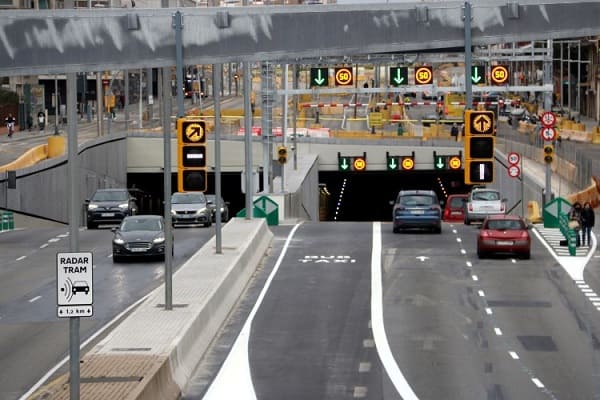
Bengaluru, India (Urban Transport News): In the quest to address Bengaluru's escalating traffic concerns, Anjum Parwez, Managing Director of Bangalore Metro Rail Corporation Limited (BMRCL), proposed adopting the Singapore model during the Bengaluru Tech Summit on Thursday.
Parwez emphasized the need for a paradigm shift in Bengaluru's approach to vehicular management. Citing the Singapore model, he suggested implementing a more stringent and regulatory system. "I would go for the Singapore model, which is more of a punitive kind of thing. We must bring in a situation like Singapore where one must get permission to own a car, and that permit itself is costlier than the value of the car," he asserted.
However, Parwez emphasized the importance of balancing regulatory measures with enhanced public transport infrastructure. "But at the same time, we have to provide a very high class of public transport. We can't just punish," he added. Bengaluru's vehicle population has exceeded one crore, with approximately 1,300 new bikes and 400 new cars entering the streets daily.
Parwez recommended considering congestion charges in the central business district (CBD) to alleviate traffic congestion. "Why are we not doing that when so many vehicles are coming to the CBD? We have to have the Singapore model in Bengaluru for the next 5-10 years," he asserted.
While acknowledging the significance of the Metro rail system, Parwez highlighted that it alone cannot comprehensively address the city's traffic issues. He underscored the need to integrate public bus transport and Metro transport seamlessly. "The biggest challenge we're facing now is how to integrate public bus transport and Metro transport. We need not work as competitors, but as complementary services," he explained.
Prasanna Patwardhan from Prasanna Purple Mobility Solutions echoed the sentiment, suggesting a shift in focus towards investing more in facilitating the movement of people rather than vehicles. "Build footpaths, cycle tracks, and infrastructure for shared mobility," Patwardhan recommended.
The proposal aligns with the growing consensus on adopting a holistic and multi-faceted approach to transform Bengaluru's traffic landscape.
Stay tuned for further updates on the evolving strategies to tackle Bengaluru's traffic challenges.


Naomi Pandya
Naomi is associated with Urban Transport News since its inception. She is working as a Corporate News Reporter.