

Trending Now
 Govt of India approves Integrated Transport & Logistics Authority to drive Multimodal Planning
 PCMC approves ₹85 Lakh for DPR of Maharashtra’s First e-RTS Pilot Corridor
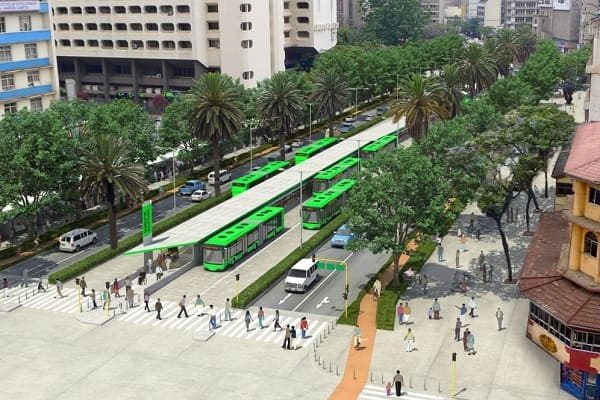 Visakhapatnam partners with Moscow to build Technology-Driven Urban Transport System
 Biofuels in Shipping: A Transitional Solution or Long-Term Strategy?
 8 Reasons Why Trains Are Still One of the Best Ways to Travel
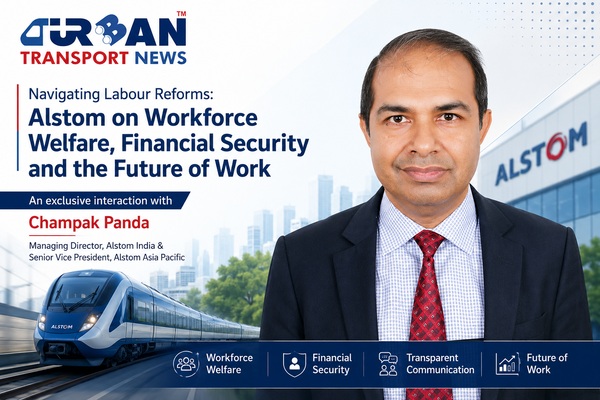 Interview with Champak Panda, MD-Rolling Stock & Components, Alstom India
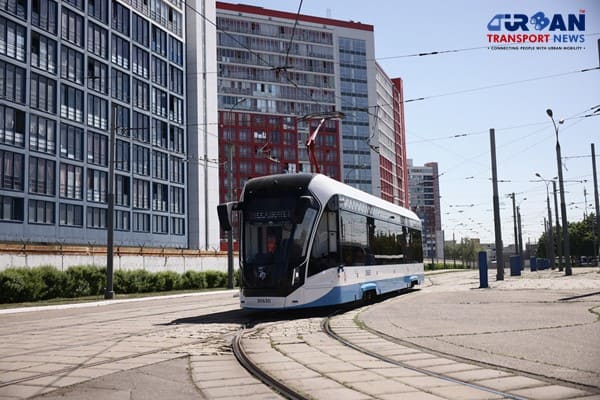 Beyond the Tailpipe: The Case for African Electric Mass Transit
 A Rejected Claim Is Not Always the End, What Car Owners Can Do Next?
 Monsoon Bike Insurance Guide: Covers That Matter before the Rains Begin
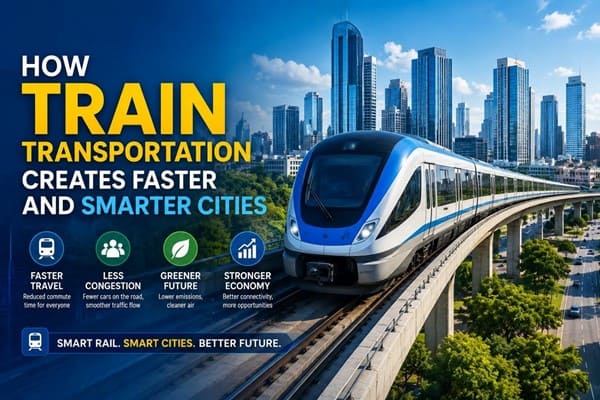 How Train Transportation Creates Faster and Smarter Cities
3 Blockchain Applications for Public Transport
Maria Rose
Posted on: 2021-11-18 09:00:00
Viewer: 10,995
Comments: 0
Country: United States
City: New York

Many people still think that cryptocurrencies and blockchain are the same thing. While it's true that cryptocurrencies use blockchain technology, blockchain can be used in many different applications. That's because blockchain is nothing but a distributed ledger system that uses a network of interconnected computers to verify information. This is why it can be used in any scenario where data needs to be compiled and verified, and one of them is in public transportation. Let's take a look at a few ways that blockchain can be used in public transport.
Better Asset Management
While blockchain was first used for cryptocurrencies, it is increasingly being used in physical asset management. Poor maintenance management is a common problem for public transit systems across the world. In 2017 alone, the city of Rome saw a whopping 22 bus explosions due to poor maintenance, and all of it could've been avoided if they used blockchain.
With a distributed ledger system, multiple parties have access to reliable information concurrently and blockchain has automated features that could be used to trigger alerts when maintenance is needed. Usage and maintenance records for a bus or an entire fleet could be stored, and maintenance crews automatically alerted when a part is due for replacement or when certain vehicles need to be inspected, for instance.
Universal Ticketing and Payments
Some cities require people to pay a fee on every section of the journey, which can complicate things for commuters. Things become worse when they have to use other services like a subway, transit between cities, taxis, or bike-sharing services. In some cases, people have to make more than three transactions before they can get to their destination.
A blockchain system with a single clearing and settlement currency could make the process much less fragmented. It could allow users to pay for all their journey segments via a single portal. Things like ride-sharing services could also be plugged into blockchain to make things even easier. This way, commuters could plan and pay for their whole trip much faster, and also look for the most affordable and cheapest way to get from A to Z all from one single platform.
Reducing Paper Trails
Transit operators still rely heavily on paper, which is not only harmful from the environmental standpoint but inefficient. Legal contracts, the fulfillment of procurement orders, receipts, and many other aspects of public transit operations are still recorded on paper.
Blockchain could help reduce the need for paper as a support and smart contracts can be used to trigger certain events once specific parameters have been met. This could be used to remove the human element from negotiations and prevent missed deadlines; it could also benefit the transit sector by reducing the amount of time administrators have to spend on sending and receiving payments or executing contracts.
As you can see, blockchain can be used way beyond cryptocurrencies and could revolutionize how public transport is managed around the world. This could lead to more efficient mass transit systems, more convenience for passengers, and fewer errors.


Maria Rose
Maria Rose is an Independent Technology Journalist in London, United Kingdom. She is currently working with Urban Transport News as Special Correspondent in International News Division.