

Trending Now
 Wage and Hour Enforcement Under the Massachusetts Wage Act and Connecticut Labor Standards
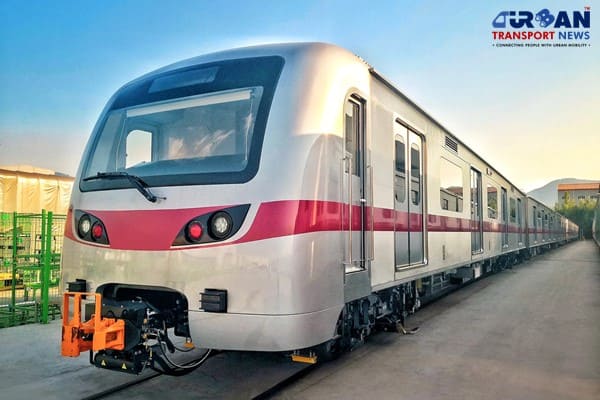 MRT‑7: Manila’s Northern Metro Lifeline on the Horizon
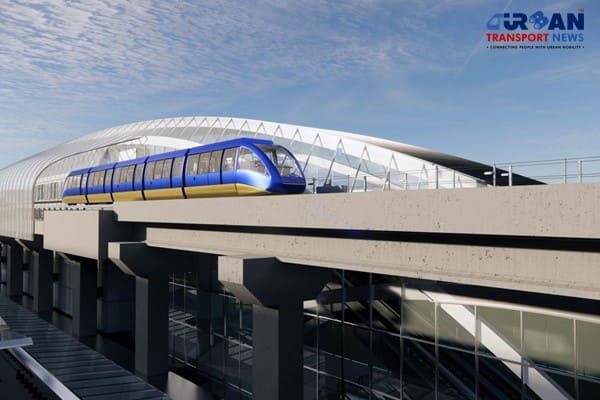 Delhi unveils ambitious Urban Mobility Vision: Luxury Metro Coaches, New Tunnels and Pod Taxi
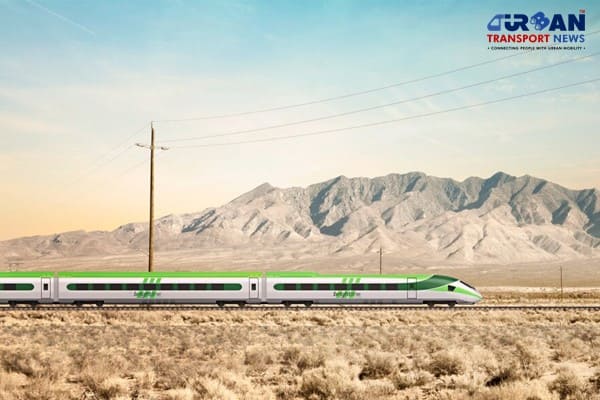 Qatar approves Saudi Rail Link Agreement, Accelerating Gulf Railway Vision 2030
 UP Govt plans to introduce Water Metro services in Ayodhya, Varanasi & Prayagraj
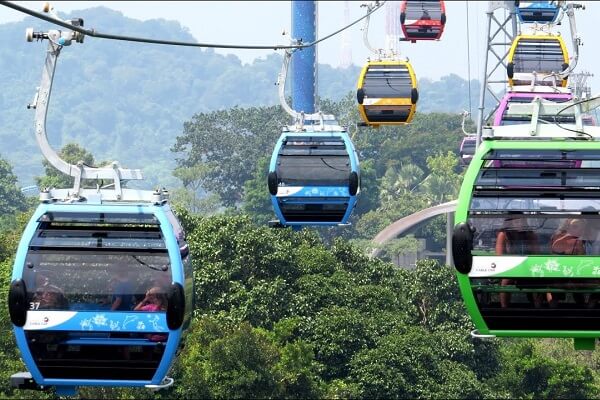 India’s First Urban Ropeway begins Trial Run in Varanasi, Set to carry 1 Lakh passengers daily
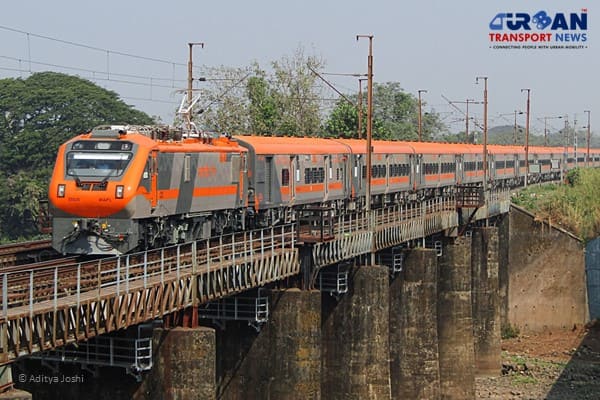 India and Bhutan to Build First-Ever Rail Link: ₹4,033 Cr Project to Boost Regional Connectivity
- Patna to launch Eco-Friendly Water Metro; Trial Run soon between Digha and Kangan Ghats
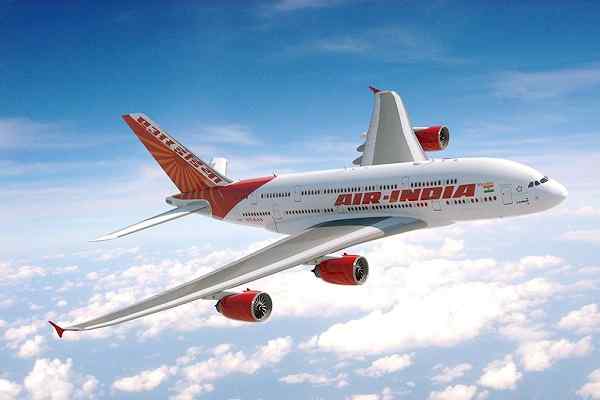 Air India Group set to launch Flights Operations from Navi Mumbai International Airport
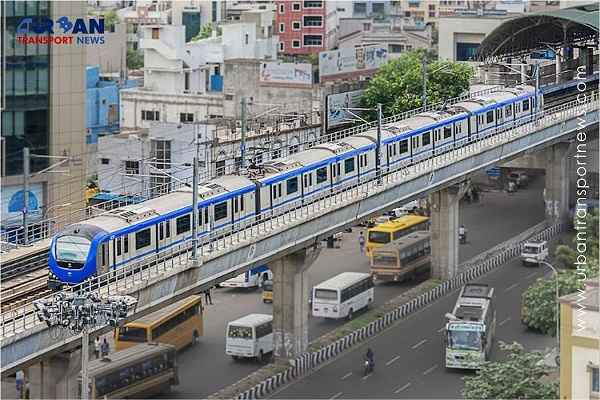 Chennai to launch 25-Year Mobility Plan with Unified QR Ticketing and One-App Transit System
MMRDA and World Bank join hands for transit-oriented development in Mumbai
Naomi Pandya
Posted on: 2023-06-12 16:30:00
Viewer: 3,816
Comments: 0
Country: India
City: Mumbai
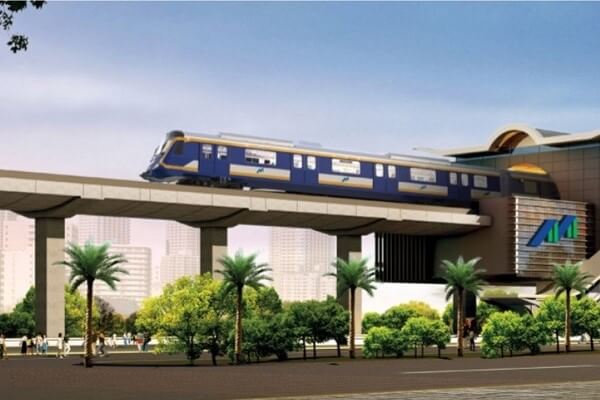
Mumbai, India (Urban Transport News): The Mumbai Metropolitan Region Development Authority (MMRDA) and The World Bank have entered into a collaboration to promote sustainable transportation and transit-oriented development (TOD) in the Mumbai Metropolitan Region (MMR) on 10th June 2023.
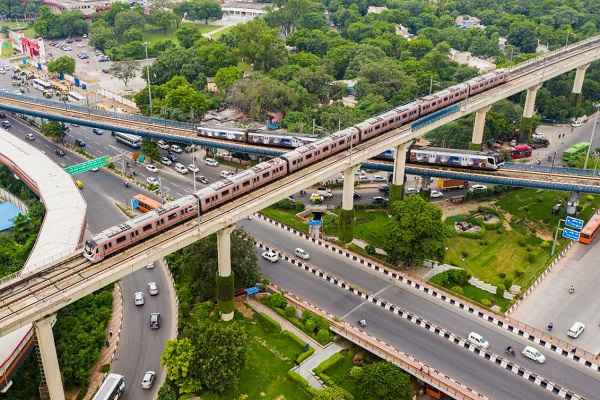
Transit-oriented development (TOD) is an urban planning approach that encourages the use of public transit, walking and cycling as primary modes of transportation. According to the MMRDA, it has conceptualised TOD policies and regulations for the Mumbai Metropolitan Region’s Mass Rapid Transit System (MRTS) which is likely to receive approval soon.
“Leveraging the expertise of the World Bank and considering the extensive network of Metro lines and over 400 stations, this collaboration is poised to play a crucial role in transforming the MMR. The partnership will address key challenges of Mumbai such as rehabilitation, redevelopment and creating affordable, accessible, inclusive housing stock with vibrant community spaces around the stations. These efforts will significantly reduce the carbon footprint of the city and contribute to achieving sustainable development goals,” said an MMRDA official.
Once formulated, these regulations will spur redevelopment and green field development in MMR. It will promote pedestrian-friendly built environment, generating revenue for MMRDA to fund largescale infrastructure projects. As per the MMRDA official, it aims to utilize the influence of various vital transportation infrastructure projects such as the Metro stations, monorail stations, high speed rail stations, Mumbai Trans Harbour Link (MTHL) and the development of growth centres as catalysts for sustainable urban growth. Under TOD policy, MMRDA will charge certain premium in lieu of taking up development near the influence area.


Naomi Pandya
Naomi is associated with Urban Transport News since its inception. She is working as a Corporate News Reporter.