

Trending Now
 Wage and Hour Enforcement Under the Massachusetts Wage Act and Connecticut Labor Standards
 MRT‑7: Manila’s Northern Metro Lifeline on the Horizon
 Delhi unveils ambitious Urban Mobility Vision: Luxury Metro Coaches, New Tunnels and Pod Taxi
 Qatar approves Saudi Rail Link Agreement, Accelerating Gulf Railway Vision 2030
 UP Govt plans to introduce Water Metro services in Ayodhya, Varanasi & Prayagraj
 India’s First Urban Ropeway begins Trial Run in Varanasi, Set to carry 1 Lakh passengers daily
 India and Bhutan to Build First-Ever Rail Link: ₹4,033 Cr Project to Boost Regional Connectivity
- Patna to launch Eco-Friendly Water Metro; Trial Run soon between Digha and Kangan Ghats
 Air India Group set to launch Flights Operations from Navi Mumbai International Airport
 Chennai to launch 25-Year Mobility Plan with Unified QR Ticketing and One-App Transit System
70% Gig Delivery Riders ready to adopt Electric Vehicles for future deliveries
Anushka Khare
Posted on: 2023-06-21 06:00:00
Viewer: 2,889
Comments: 0
Country: India
City: New Delhi
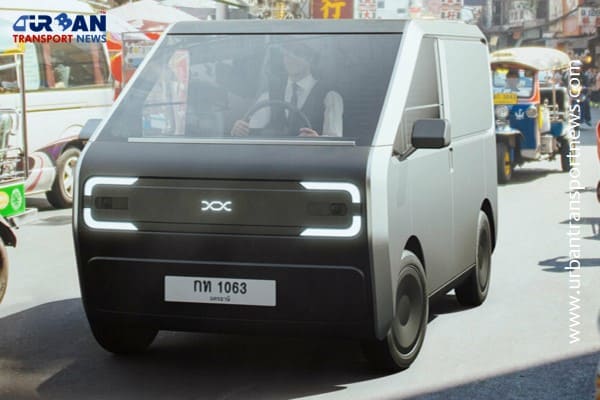
New Delhi, India (Urban Transport News): In a recent survey conducted by Borzo, a global intra-city delivery service, insights were gathered from 6,000 delivery riders regarding the adoption and perception of electric vehicle (EV) scooters for performing deliveries. The results indicate a significant shift towards embracing EVs as the preferred choice for last-mile deliveries.
The survey confirms the growing trend of popularity of Electric Vehicle 2 Wheelers amongst Gig delivery workers especially in the last-mile delivery sector. With a majority of delivery riders already adopting or expressing a willingness to adopt electric vehicle scooters for their delivery operations, it is evident that EVs are becoming the preferred choice for cost-effective, sustainable, and efficient delivery services.
Key insights from the survey include:
Adoption of EVs: A remarkable 75.6% of respondents have already adopted an electric vehicle scooter for their delivery work, demonstrating a strong willingness to embrace sustainable transportation options.
Willingness to Adopt EVs in the Future: Even among those who have not yet adopted EVs, a substantial 70.5% expressed readiness to use an EV in the future for their delivery operations. This indicates a growing acceptance and recognition of the benefits associated with electric mobility.
Cost Savings: The survey revealed that a significant portion of respondents are experiencing substantial financial benefits from using electric vehicles for deliveries. Over 50% of participants reported saving more than 30% on petrol expenses each month, demonstrating the potential for long-term cost savings by transitioning to electric vehicles.
Advantages of EVs for Deliveries: Respondents identified several key advantages when using EVs for delivery work, with 77.4% highlighting savings on fuel or petrol costs. Other advantages mentioned include lower rent expenses, a quieter and smoother ride, and the availability of charging incentives or discounts.
Cost and Comfort Comparison: A majority of respondents, 72.8%, believe that electric vehicle scooters offer better cost-efficiency and comfort compared to petrol vehicles for delivery work in the city. This perception further strengthens the appeal of EVs as a viable option for last-mile delivery.
Preference for Electric Vehicles: Among the respondents, 59.8% expressed a preference for using electric vehicles for deliveries, while 40.2% still preferred petrol vehicles. The results indicate a growing inclination towards electric mobility solutions, but there are delivery partners who have adopted EVs and still prefer petrol vehicles as EVs still pose various operational challenges.
Challenges: The most common obstacles reported were the difficulty in finding charging spots (40.6%), followed by concerns about low battery range (21.5%) and longer charging times compared to refuelling (17.6%). Maintenance costs were also mentioned by 16.2% of respondents. These findings underscore the need for an expanded charging infrastructure and enhanced battery technology to address these challenges effectively.
The trend of electrification of the Last-mile Delivery segment is an upward and promising trend but with enormous challenges of charging infrastructure, Battery swapping and Maintenance. Borzo remains committed to supporting the electrification of our last-mile delivery fleets by providing incentives, subsidized cost, infrastructure development through partnerships, and raising awareness among delivery service providers. It is important for various delivery players to address the needs of gig delivery workers, especially those aspects which improve the margins of delivery partners. By embracing EVs, the last-mile industry can collectively contribute to a greener future and reduced emissions and better margins for our backbone, the gig delivery workforce” said Eugene Panfilov, General Manager, Borzo India.
In India, Borzo has a fleet of over 80,000 delivery partners who serve Enterprise hyperlocal and SME segment.


Anushka Khare
Anushka Khare is a Post Graduate in Journalism from Makhanlal Chaturvedi National University of Journalism and Communication, Bhopal (MP). She covers stories and updates from India.