

Trending Now
 PCMC approves ₹85 Lakh for DPR of Maharashtra’s First e-RTS Pilot Corridor
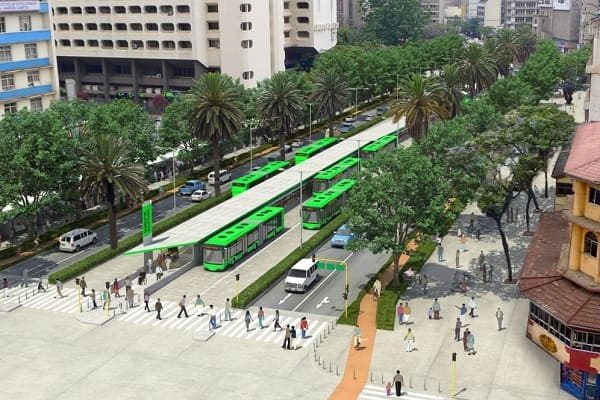 Visakhapatnam partners with Moscow to build Technology-Driven Urban Transport System
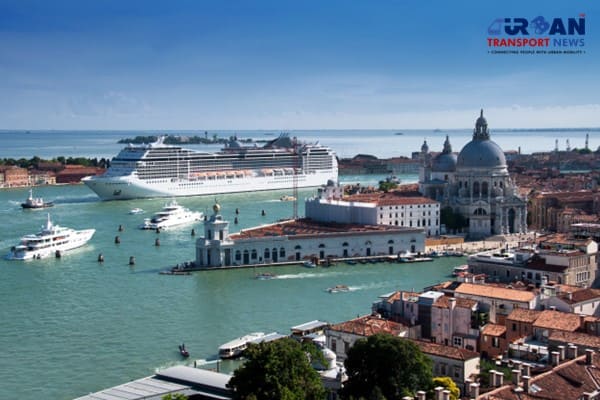 Biofuels in Shipping: A Transitional Solution or Long-Term Strategy?
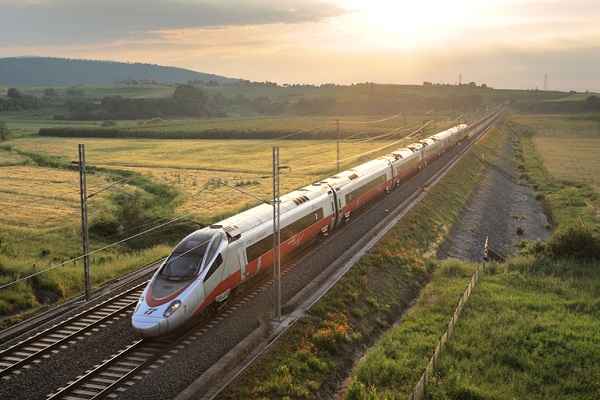 8 Reasons Why Trains Are Still One of the Best Ways to Travel
 Interview with Champak Panda, MD-Rolling Stock & Components, Alstom India
 Beyond the Tailpipe: The Case for African Electric Mass Transit
 A Rejected Claim Is Not Always the End, What Car Owners Can Do Next?
 Monsoon Bike Insurance Guide: Covers That Matter before the Rains Begin
 How Train Transportation Creates Faster and Smarter Cities
 PM Modi inaugurates Noida International Airport, Boosting North India’s Multi-Modal connectivity
Revolutionizing Urban Mobility: A Comprehensive Approach
Vinod Shah
Posted on: 2024-01-15 09:15:00
Viewer: 5,116
Comments: 0
Country: India
City: New Delhi
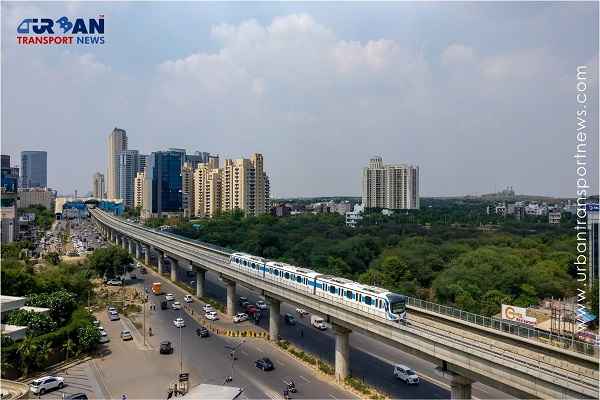
In the ever-evolving landscape of urban mobility, it is imperative to explore holistic solutions that extend beyond the conventional focus on metro rail systems. At [Your Company/Organization], we believe in redefining the paradigm of urban transportation to meet the dynamic needs of modern societies. In this article, we delve into a comprehensive approach that goes beyond the singular perspective of metro rail, addressing diverse facets of urban mobility.
The Limitations of Metro Rail
While metro rail systems have undoubtedly played a pivotal role in enhancing urban connectivity, it is essential to acknowledge their inherent limitations. The focus on metro rail alone may inadvertently neglect crucial aspects of a city's transportation infrastructure, leading to suboptimal solutions. Our approach aims to transcend these limitations and present a more nuanced perspective.
Multi-Modal Integration
To truly optimize urban mobility, we advocate for the integration of multi-modal transportation systems. This involves seamlessly connecting metro rail networks with buses, e-bikes, and other modes of transit. Such integration ensures that commuters experience a smooth transition between different modes of transport, reducing overall travel time and enhancing convenience.
Embracing Technological Advancements
In our pursuit of a cutting-edge urban mobility framework, embracing technology becomes paramount. The incorporation of smart ticketing systems, real-time tracking apps, and autonomous vehicles can significantly enhance the efficiency and user experience of the entire transportation ecosystem.
Sustainable Solutions for the Future
As advocates for sustainable urban development, we emphasize the need to prioritize eco-friendly modes of transportation. Integrating electric buses, promoting cycling infrastructure, and investing in pedestrian-friendly pathways contribute to a greener and more sustainable urban landscape.
Public-Private Partnerships
To overcome financial constraints and foster innovation, we propose the exploration of robust public-private partnerships (PPPs). Collaborations between government bodies and private entities can unlock resources, spur technological advancements, and expedite the implementation of comprehensive urban mobility solutions.
Case Studies: Global Success Stories
Highlighting successful urban mobility initiatives from around the world serves as a testament to the effectiveness of a diversified approach. Case studies on cities like Singapore, Copenhagen, and Tokyo showcase how a blend of metro rail, buses, cycling infrastructure, and technological integration can create a seamless and efficient urban transportation system.
In conclusion, our vision for urban mobility transcends the conventional narrative. By advocating for multi-modal integration, embracing technology, prioritizing sustainability, and fostering public-private partnerships, we aim to set the stage for a paradigm shift in how cities approach transportation. The future of urban mobility lies in a comprehensive, forward-thinking strategy that addresses the diverse needs of inhabitants while promoting sustainability and efficiency.


Vinod Shah
Vinod Shah is a Transport Journalist, Urban Planner and Communication Expert. He possesses over 15 years of experience in Editorial, Media and Corporate Communication in the Urban Transport sector.