


Trending Now
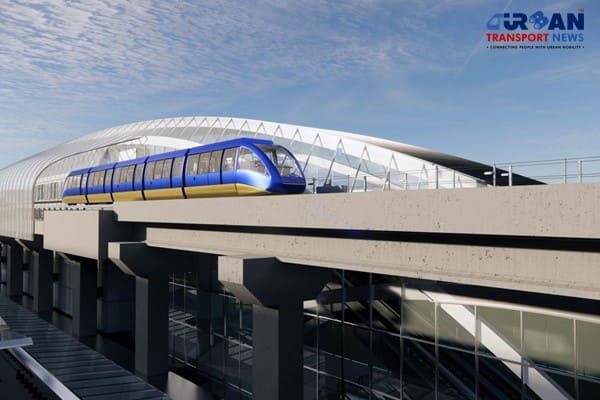 Delhi unveils ambitious Urban Mobility Vision: Luxury Metro Coaches, New Tunnels and Pod Taxi
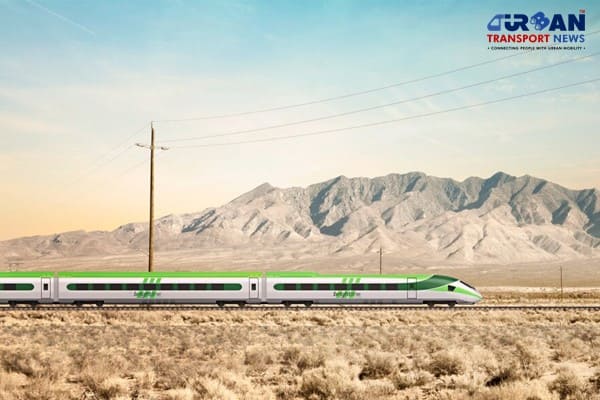 Qatar approves Saudi Rail Link Agreement, Accelerating Gulf Railway Vision 2030
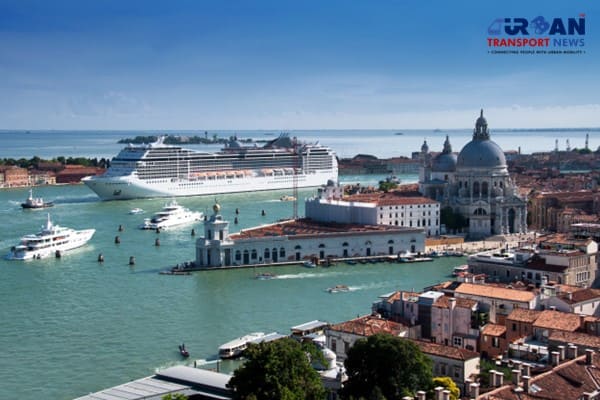 UP Govt plans to introduce Water Metro services in Ayodhya, Varanasi & Prayagraj
 India’s First Urban Ropeway begins Trial Run in Varanasi, Set to carry 1 Lakh passengers daily
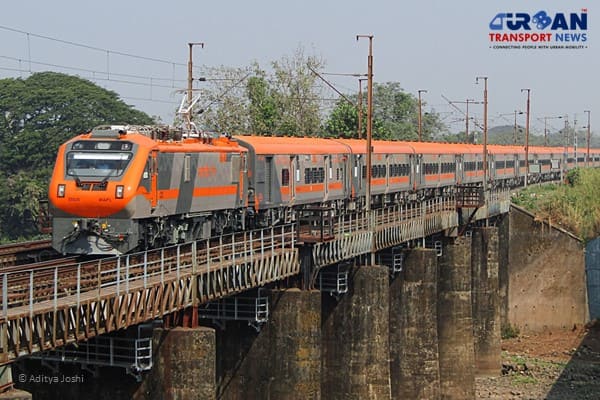 India and Bhutan to Build First-Ever Rail Link: ₹4,033 Cr Project to Boost Regional Connectivity
- Patna to launch Eco-Friendly Water Metro; Trial Run soon between Digha and Kangan Ghats
 Air India Group set to launch Flights Operations from Navi Mumbai International Airport
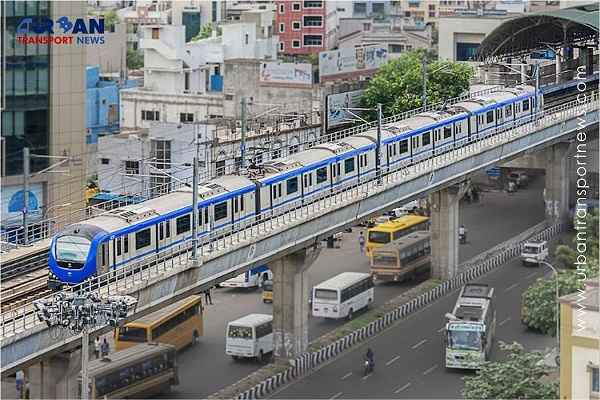 Chennai to launch 25-Year Mobility Plan with Unified QR Ticketing and One-App Transit System
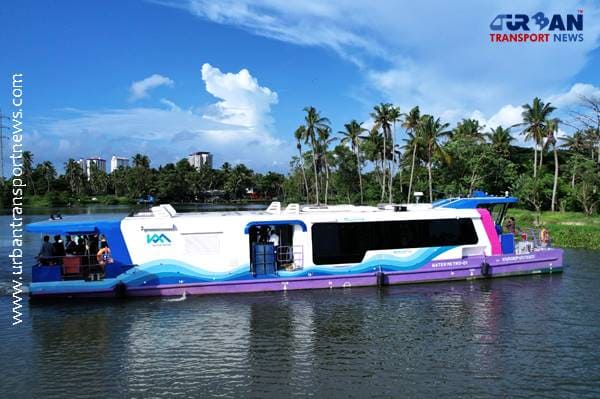 Kochi Metro bags ₹4.4 crore contract to prepare DPR for Mumbai Water Metro Proejct
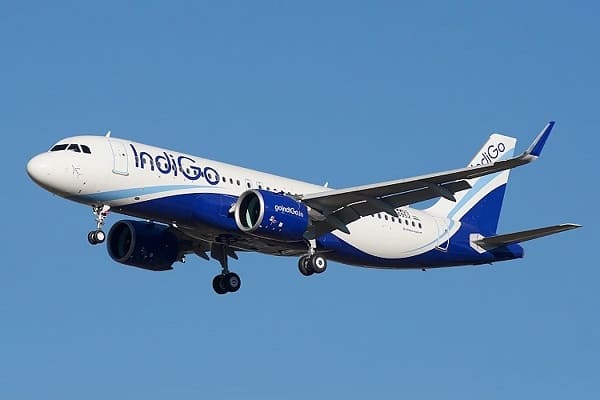 Navi Mumbai International Airport set for September launch; IndiGo and Akasa Air to lead Operations
Investigation begins against signalling duopoly of Siemens and Alstom
Krishtina D'Silva
Posted on: 2020-01-29 15:21:13
Viewer: 722
Comments: 0
Country:
City:
| Framework Area | Primary Contractor | Secondary Contractor |
|---|---|---|
| Scottland | Siemens | SSL (Alstom) |
| Central (West) | Siemens | SSL (Alstom) |
| Central (East) | SSL (Alstom) | Siemens |
| Wales and West | Siemens | SSL (Alstom) |
| Great Western (Inner) | SSL (Alstom) | Siemens |
| Great Western (Outer) | SSL (Alstom) | Siemens |
| Angila & Kent | Atkins | SSL (Alstom) |
| Sussex & Wessex | Atkins | Siemens |


Krishtina D'Silva
Krishtina D'Silva is working with Urban Transport News as Special Correspondent (International News division). She posses a Master's degree in Journalism from New York University and responsible for covering updates from the urban mobility